
Mulch
How Much Mulch Do I Need?
Jun
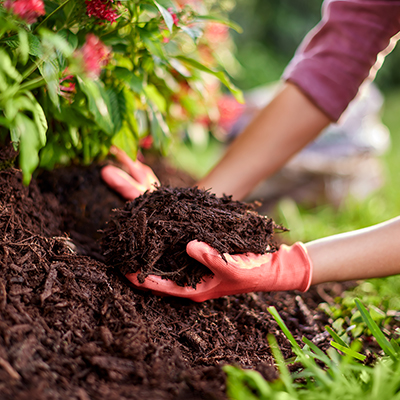
When you’re ready to refresh your landscape beds, one of the most common questions homeowners ask is, “How much mulch do I need?” Whether you’re planning a weekend landscaping project or preparing your property for spring, knowing how much mulch to order can save you time, money, and frustration.
At Triple R Landscaping, we help homeowners throughout Raleigh, Clayton, Garner, Smithfield, Fuquay-Varina, and the surrounding areas get the right amount of mulch delivered directly to their homes. In this guide, we’ll explain how to calculate mulch, avoid common mistakes, and determine exactly how much you’ll need for a beautiful, healthy landscape.
Why Mulch Matters
Before calculating quantities, it’s important to understand why mulch is one of the best investments you can make for your landscape.
Quality mulch helps:
- Retain soil moisture
- Reduce weed growth
- Regulate soil temperatures
- Prevent erosion
- Improve curb appeal
- Protect plant roots
- Enhance soil health as organic mulch decomposes
A fresh layer of mulch can instantly transform your property’s appearance while providing important benefits for your plants, trees, and shrubs.
How Is Mulch Measured?
Mulch is typically sold by the cubic yard.
One cubic yard equals:
- 27 cubic feet
- Approximately 13.5 standard 2-cubic-foot bags
- Covers about 100 square feet at a depth of 3 inches
Most landscape suppliers, including Triple R Landscaping, sell bulk mulch by the cubic yard because it’s often more economical than purchasing individual bags.
Step 1: Measure Your Landscape Beds
The first step is determining the square footage of the areas you want to mulch.
For Rectangular Beds
Multiply:
Length × Width = Square Feet
Example:
20 feet × 10 feet = 200 square feet
For Circular Beds
Use the formula:
Radius × Radius × 3.14
Example:
A tree ring with a radius of 5 feet:
5 × 5 × 3.14 = 78.5 square feet
For Irregular-Shaped Beds
Break the area into smaller rectangles, circles, or squares. Calculate each section separately and then add them together.
This method provides the most accurate estimate.
Step 2: Determine the Proper Mulch Depth
One of the biggest mistakes homeowners make is applying too much or too little mulch.
Recommended Mulch Depth
Most landscape professionals recommend:
- 2 inches for annual flower beds
- 2 to 3 inches for most landscape beds
- 3 to 4 inches for weed-prone areas
- 2 to 3 inches around trees and shrubs
Avoid creating “mulch volcanoes” around trees. Excessive mulch piled against trunks can trap moisture and cause disease, insect problems, and root damage.
For most homes in the Raleigh area, a 3-inch depth provides excellent results.
Step 3: Calculate How Much Mulch You Need
Here is a simple reference chart.
Mulch Coverage Chart
1 Cubic Yard Covers:
- 324 sq. ft. at 1 inch deep
- 162 sq. ft. at 2 inches deep
- 108 sq. ft. at 3 inches deep
- 81 sq. ft. at 4 inches deep
Example Calculation
Let’s say your landscape beds total 500 square feet.
At a depth of 3 inches:
500 ÷ 108 = 4.63 cubic yards
You would typically round up and order 5 cubic yards.
Having a little extra is much better than running short in the middle of the project.
Quick Mulch Estimator
Use this simple guide:
Small Home
Landscape beds totaling 200–400 square feet:
- 2 to 4 cubic yards
Medium Home
Landscape beds totaling 400–800 square feet:
- 4 to 8 cubic yards
Large Home
Landscape beds totaling 800–1,500 square feet:
- 8 to 15 cubic yards
Every property is unique, but this provides a good starting point.
Should You Remove Old Mulch First?
Not necessarily.
If your existing mulch has mostly decomposed and is less than an inch thick, you can often add fresh mulch directly on top.
However, if you already have several inches of old mulch, consider:
- Raking and fluffing existing mulch
- Removing excess buildup
- Installing only enough new mulch to maintain a total depth of 2–3 inches
Too much mulch can be just as problematic as too little.
Common Mulch Calculation Mistakes
Guessing Instead of Measuring
Many homeowners underestimate or overestimate the size of their beds. Taking a few minutes to measure accurately can save money and prevent multiple trips.
Applying Mulch Too Deep
More mulch isn’t always better. Excessive mulch can:
- Suffocate roots
- Prevent water penetration
- Encourage disease
- Create insect habitats
Forgetting Existing Mulch
Always account for mulch already in place before ordering additional material.
Not Ordering Enough
It’s frustrating to run out halfway through a project. When in doubt, round up slightly.
What Type of Mulch Should You Choose?
At Triple R Landscaping, we offer several popular mulch options.
Dyed Hardwood Mulch
One of the most popular choices for residential landscapes.
Benefits include:
- Rich color
- Excellent curb appeal
- Long-lasting appearance
- Available in multiple colors
Natural Hardwood Mulch
Perfect for homeowners who prefer a more natural look.
Benefits include:
- Organic appearance
- Improves soil health
- Blends well with most landscapes
Pine Straw Mulch
A favorite throughout North Carolina.
Benefits include:
- Lightweight
- Excellent moisture retention
- Natural appearance
Cedar Mulch
Cedar mulch is a premium mulch option known for its attractive appearance, pleasant aroma, and natural resistance to insects and decay.
Benefits include:
- Long-lasting performance
- Natural insect-repelling properties
- Rich color and texture
- Slow decomposition rate
- Excellent moisture retention
Cypress Mulch
Cypress mulch is popular for its natural beauty and ability to withstand North Carolina’s changing weather conditions.
Benefits include:
- Excellent moisture retention
- Slow decomposition
- Attractive natural color
- Helps reduce weed growth
- Long-lasting ground cover
Pine Bark Mulch
Pine bark mulch is a favorite throughout North Carolina because of its attractive appearance and soil-enhancing benefits.
Benefits include:
- Lightweight and easy to spread
- Helps improve soil structure
- Excellent drainage
- Long-lasting compared to pine straw
- Natural, decorative appearance
Which Mulch Is Best?
The best mulch for your property depends on your goals, budget, and personal preferences.
- Dyed Hardwood Mulch – Best for bold color and curb appeal.
- Natural Hardwood Mulch – Great for improving soil health.
- Pine Mulch – Excellent moisture retention and affordability.
- Pine Bark Mulch – Attractive, long-lasting, and beneficial for soil.
- Cedar Mulch – Premium appearance with natural insect resistance.
- Cypress Mulch – Durable and ideal for long-term landscape coverage.
Choosing the right mulch depends on your goals, budget, and preferred appearance.
Bulk Mulch vs. Bagged Mulch
Many homeowners wonder whether bulk mulch or bagged mulch is the better option.
Bulk Mulch Advantages
- Lower cost per cubic yard
- Fewer plastic bags
- Easier for large projects
- Convenient delivery
- Consistent product quality
One of the biggest benefits of purchasing bulk mulch is the convenience of delivery. Instead of making multiple trips to a garden center and loading your vehicle with heavy bags, bulk mulch can be delivered directly to your driveway. This saves time, reduces labor, and makes it much easier to tackle larger landscaping projects. Whether you need a few cubic yards for flower beds or enough mulch to refresh your entire property, bulk delivery ensures you have the material you need when you need it.
For most landscaping projects, bulk mulch is the most economical and efficient choice, especially for homeowners looking to improve curb appeal while saving time and money.
When Is the Best Time to Mulch in North Carolina?
Homeowners in Raleigh, Clayton, Garner, and surrounding communities often ask when they should install mulch.
The best times include:
Spring
Spring mulching is the most popular option because it:
- Refreshes landscape beds
- Prepares plants for summer heat
- Improves curb appeal
Fall
Fall mulching helps:
- Protect roots during winter
- Retain soil moisture
- Reduce erosion
The truth is that mulch can be installed nearly any time of year if conditions allow.
Benefits of Professional Mulch Installation
While many homeowners enjoy DIY landscaping projects, professional installation offers several advantages.
Professional mulch installation can:
- Save time
- Ensure proper depth
- Improve bed definition
- Deliver a cleaner appearance
- Prevent common mistakes
Our experienced team at Triple R Landscaping can handle everything from delivery to complete installation.
Why Homeowners Trust Triple R Landscaping
When you need mulch in the greater Raleigh area, Triple R Landscaping makes the process easy.
We provide:
- High-quality bulk mulch
- Convenient delivery
- Professional installation
- Competitive pricing
- Friendly local service
Whether you’re refreshing a few flower beds or updating an entire property, our team can help you determine exactly how much mulch you need.
Get the Right Amount of Mulch Delivered Today
Calculating mulch doesn’t have to be complicated. By measuring your landscape beds, choosing the proper depth, and using the coverage guidelines above, you can confidently order the right amount for your project.
If you’d rather skip the math, Triple R Landscaping is happy to help. Our team can recommend the right quantity, schedule convenient delivery, and even handle the installation for you.
Contact Triple R Landscaping today for bulk mulch delivery and professional mulch installation in Raleigh, Clayton, Garner, Smithfield, Fuquay-Varina, and surrounding North Carolina communities.
Frequently Asked Questions
The amount depends on the square footage of your landscape beds and desired depth. Most homeowners need between 3 and 10 cubic yards for a typical residential property.
One cubic yard covers approximately 108 square feet at a depth of 3 inches.
In most cases, yes. A depth of 2 to 3 inches is ideal for most landscape beds.
Not always. If the existing mulch has decomposed significantly, you can often add a fresh layer. Avoid building mulch deeper than 3 to 4 inches total.
Yes. Bulk mulch is typically much more cost-effective for medium and large landscaping projects.
Most homeowners refresh mulch annually to maintain appearance and proper coverage.
Dyed hardwood mulch, natural hardwood mulch, and pine mulch are all excellent choices for North Carolina properties.
Yes. A properly installed 2-to-3-inch layer of mulch helps suppress weed growth and reduces maintenance throughout the growing season.
